AWS Learnings ||Part 01

What is difference between AWS cloud and On-Prem computing?
In traditional we have to buy a server which is at remote site with high specs in cold storage.
Problems faced:
Cost high
Availability
Scalable
Maintenance
Infrastructure availability
backup
Cloud computing usage solves all these problems.
AWS provides:
On-demand availability
Pay as you go
Scale accordingly on the fly
Many services on clouds
Cloud computing service models| (SAAS || PAAS || IAAS)
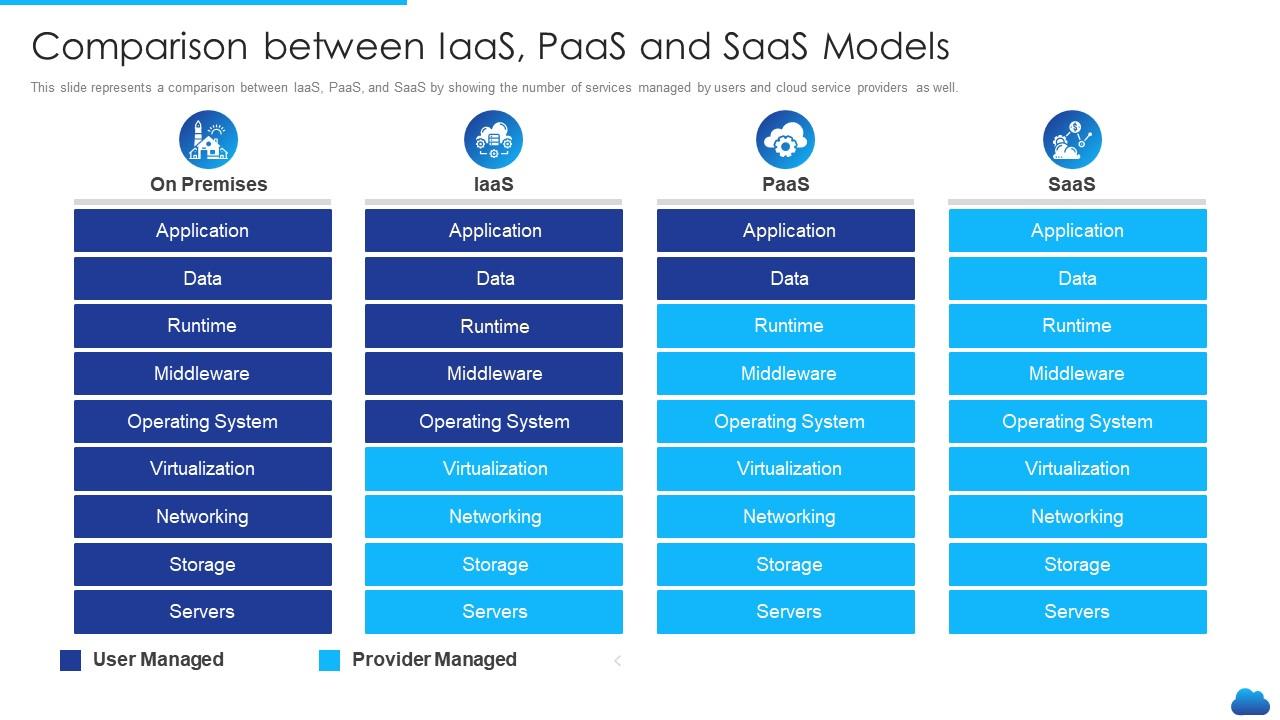
Infrastructure as service → Provide hardware with os, os can be choosable, EC2 is IAAS,
Platform as service → As a Db admin managing database on IAAS, like installing mysql data and configuring to IAAS. RDS of AWS
Software as service → No need to manage just pay for the service. For example creating mail service.
Deployment model of cloud (Public Private and Hybrid cloud)
Public cloud→ Accessible over the internet.
Private cloud → To create virtual machine over the servers. only the Ip’s inside server can access
Hybrid cloud → Both public cloud as well private cloud.
How AWS charge
3 pricing methods:
Compute
Storage
Data transfer (download or upload from outside)
What /Why is AWS region | AWS Region Map | AWS Global Infrastructure
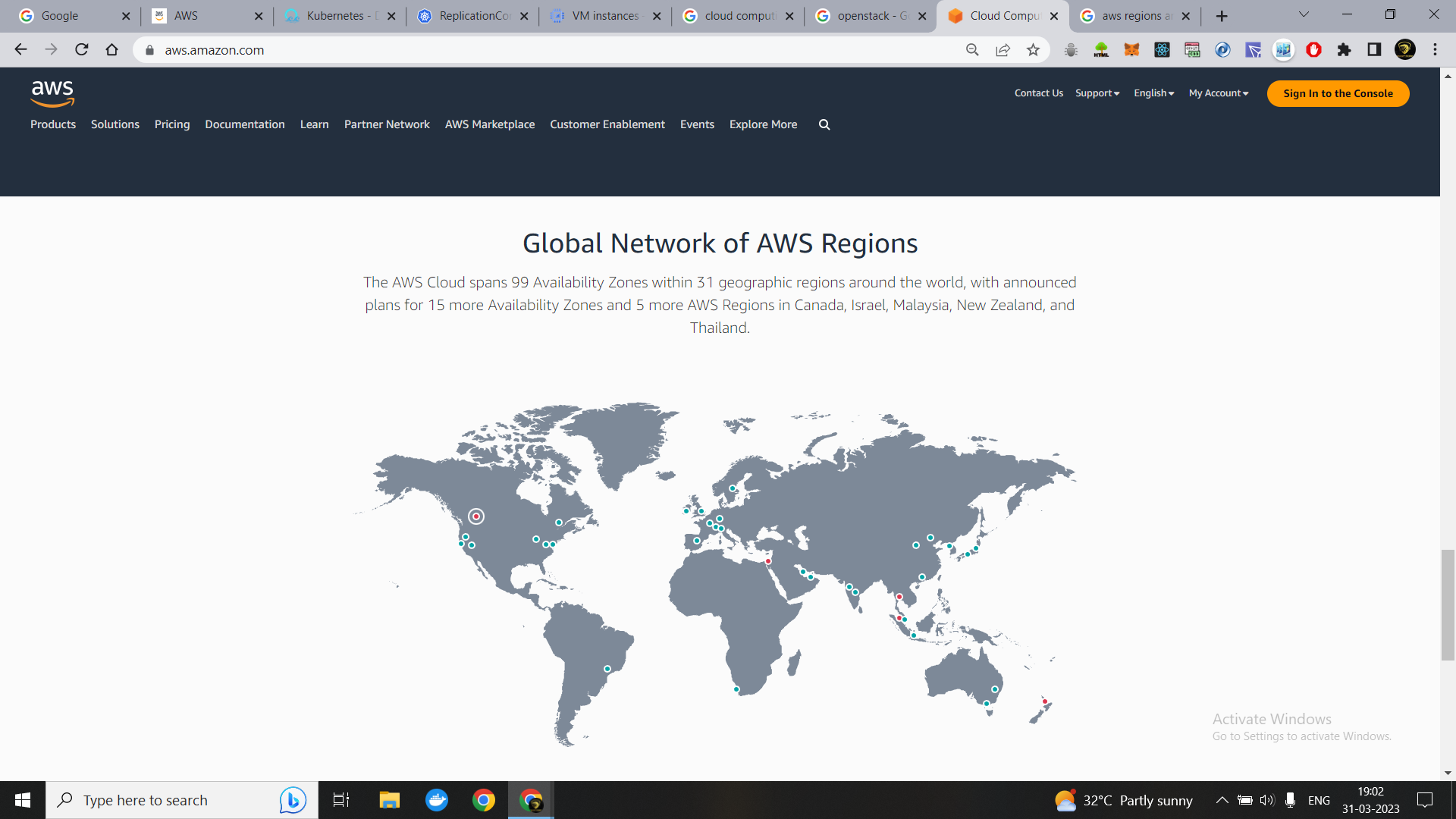
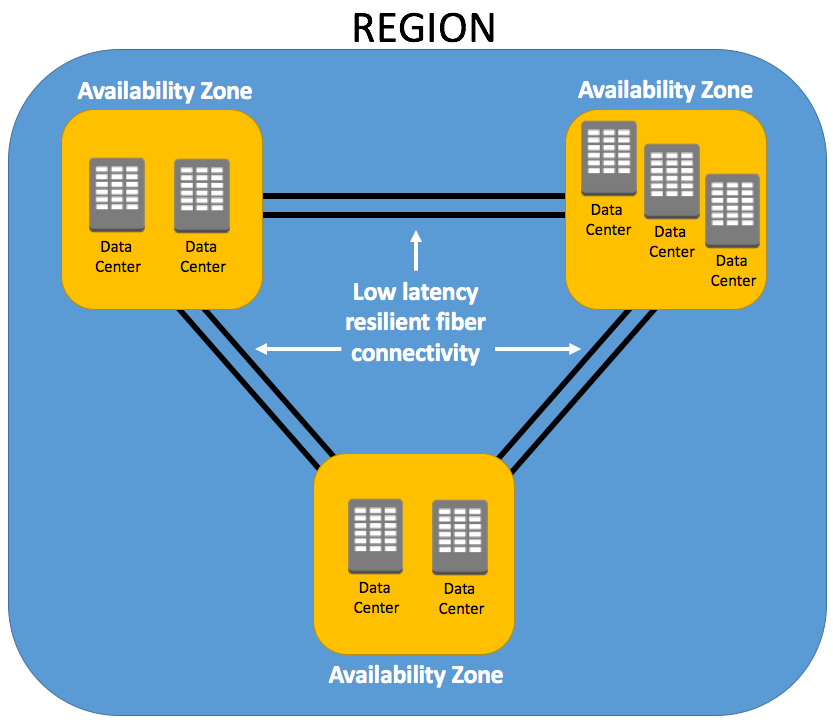
Region → Different areas over world where aws is creating their regions, shown in the world map
In side regions there are availability zones which store data
In side availability there are different data centers
Every region has their own codes
Every region has interconnectivity
Provides lower latency
If any user want to store data in particular region then can choose accordingly
Cost rates are different (electricity bill, water bill, land acquisition bills)
What/Why is Availability zones?
There are 3 availability zones in a region.
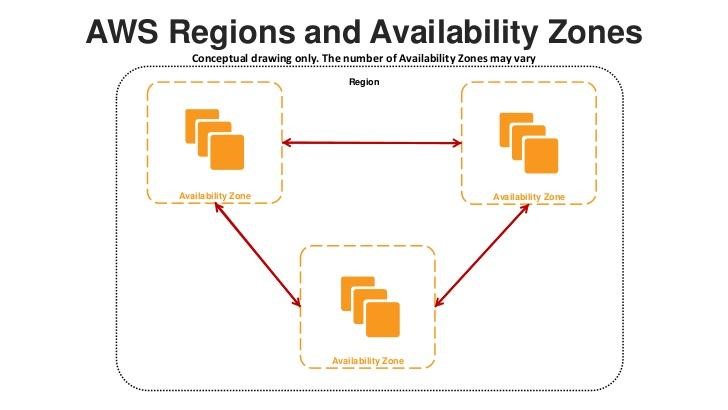
Redundant Power supply
Redundant Network connectivity
Encrypted data sharing
Code for each availability zone
What/Why is Local zones?
To run latency sensitive applications closer to end users. In India there is local zone inside delhi
AWS Local Zones are a type of infrastructure deployment that places compute, storage, database, and other select AWS services close to large population and industry centers
Run low-latency applications at the edge
Simplify hybrid cloud migrations
Meet stringent data residency requirements
AWS services
EC2 (elastic compute cloud)
VPC (virtual private cloud)
S3 (simple storage service)
RDS (Relational database service)
Route 53 (DNS service)
ELB (Elastic load balancing)
Auto-scaling
Inspector
Guard duty
Security Hub
Cloudwatch
Cloudformation
RDS
API Gateway
Lambda Function
IAM
AND SO ON..............................................
\=============================================================
Reach me on:
Github-> github.com/Hrmn97
Twitter -> twitter.com/Harman9765
LinkedIn -> linkedin.com/in/chetan-harman-56310424a
Website -> devhrmn.netlify.app